Can Automated Link Building Improve ROI?

People desire answersand they want to get them fast. Google takes searchers' decreasing attention span seriously, so much so that it now offers featured answers to almost any inquiry in a matter of seconds.
The development of immediate answers translates to a positive experience for the users but, interestingly, lower click rates for websites providing these answers. And the changes do not stop there. Advertisements, which are the lifeline of Google, will continue to transform themselves in the coming years. Gone are the days when advertisements on top of search outcomes had vibrant texts and contrasting colors.
Asia Virtual Solutions YouTubeThe reasoning is easy, the more these advertisements resemble online search engine results, the more likely users will click them. With more attention being placed on elements aside from online search engine results, it will be harder than ever to get good click and conversion rates. It's approximated that just 66% of Google searches result in a click, with the staying 34% getting a horrendous absolutely no click rate.
To put it simply, ranking in the top 10 search engine result is no longer simply wishful thinking, it's now everybody's goal. And how precisely can you achieve it? Fili Wiese, a former member of the Google Browse Quality group, suggests that you ought to start to believe like Google. Since Google is presenting one function after another to improve user experience, you need to likewise have the exact same goal when developing backlinks and enhancing your site.
With Google ending up being more user-centric, you simply can't afford to depend on the usual link building strategies you utilized in the past. To make it through Google penalties and updates, advanced link structure is the best way to go. In his projection, Sean Si of SEO Hacker anticipates manual link building with a more "human" approach.
Professional Advice to Multi-Level SEO Automation
He went on to advise advanced link structure strategies that have actually been proven to work and will continue to drive results: Link recovery or the procedure of discovering dead or damaged links resulting in your website and then alerting those who created the relate to the updated URL. These two strategies are merely scratching the surface.
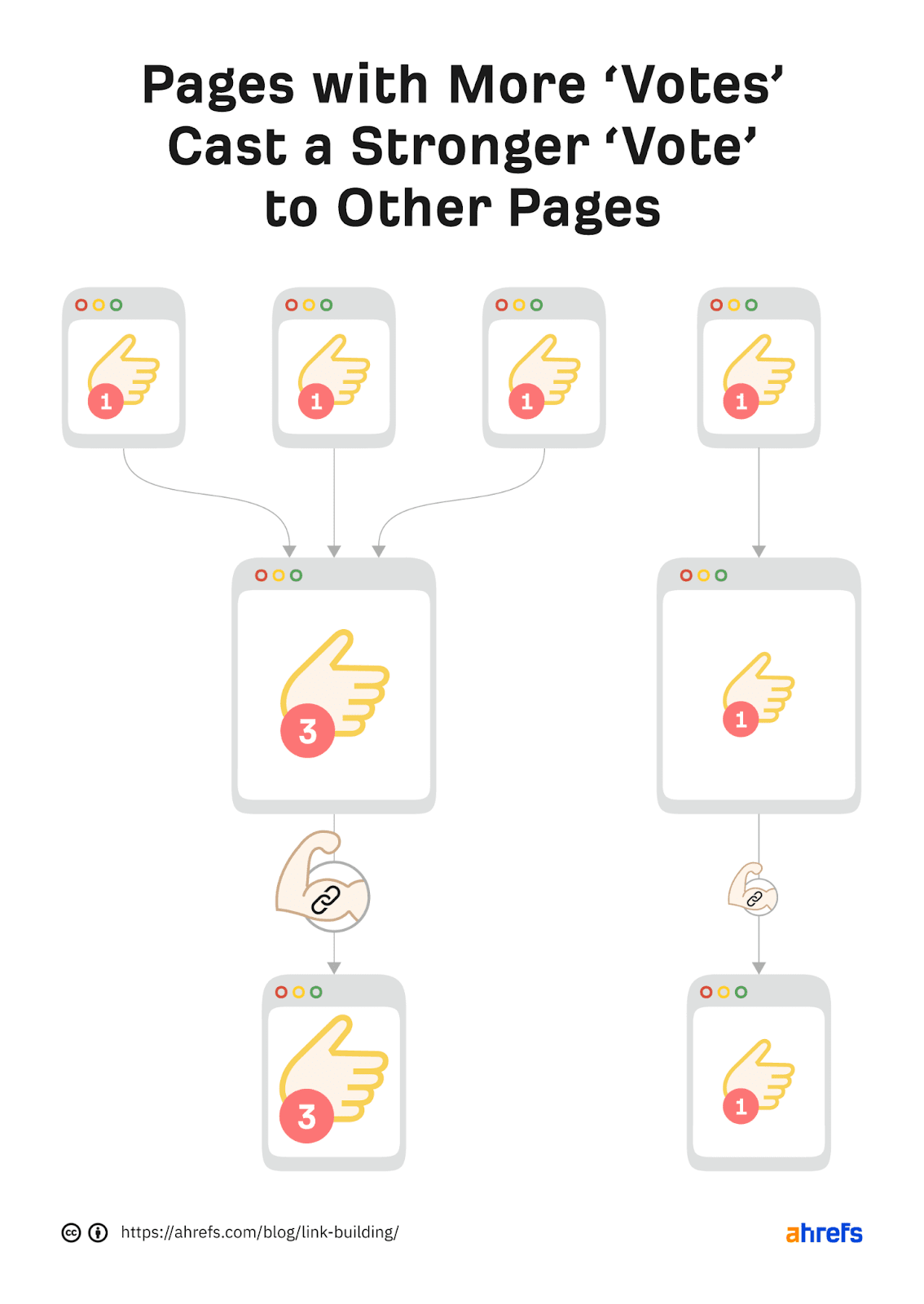
If you wish to upgrade your link building campaign, you can either modify the traditional techniques mentioned above or try more advanced link structure techniques that your rivals may not understand about. We know that not all backlinks are created equal. Between white hat and black hat link building, the previous defeats the latter in terms of durability.
It's about time to turn our attention to obscure or underrated innovative link structure strategies that will help put your material on topand keep it there for years to come. When Brian Dean of Backlinko initially used the Skyscraper Strategy, everyone did the same. After all, the basic idea is a no-brainer: Discover great content on Google's first page that's already ranking for your target keyword.
Image source: However the process of convincing site owners to connect to your material is a lot harder than it appears. The Skyscraper Technique isn't a magic formula; often links will come flooding, however frequently the method ends up being inadequate. If you hear nothing but crickets after sending out hundreds of outreach e-mails, you're not alone.
Nevertheless, he rapidly selected himself up and modified his technique. Instead of waiting permanently for the links to come, he increased his chances of getting observed by counting on another tried-and-tested technique: guest blogging. Yup, they developed enormous material as suggested by the High-rise building Method but made backlinks through great ol' guest publishing.
Asia Virtual Solutions YouTubeBoosting Rankings With Custom Data Packs
Call it the Skyscraper Strategy on steroids. Here's how it works. Make a list of a minimum of 20 potential keywords you wish to blog about. Naturally, ranking for a keyword will be ineffective if there are no people looking for it. Aim for a regular monthly search volume of at least 1,000 or 2,000 searches.
You 'd be shocked that even websites less than a year old can quickly rank for some high-volume yet low-competition keywords. Take note, nevertheless, that GKP no longer offers specific data for the search volume.