Developing Complex Multi-Level SEO Tactics
Individuals desire answersand they want to get them quick. Google takes searchers' declining attention period seriously, so much so that it now provides featured answers to almost any query in a matter of seconds.
The emergence of instant responses translates to a positive experience for the users but, remarkably, lower click rates for sites offering these answers. And the modifications don't stop there. Ads, which are the lifeblood of Google, will continue to reinvent themselves in the coming years. Gone are the days when advertisements on top of search engine result had strong texts and contrasting colors.
GSA SER project filesThe reasoning is basic, the more these advertisements look like online search engine results, the more likely users will click on them. With more attention being put on elements aside from online search engine results, it will be more difficult than ever to get decent click and conversion rates. It's approximated that only 66% of Google searches result in a click, with the remaining 34% getting a horrendous zero click rate.
In other words, ranking in the leading 10 search outcomes is no longer just wishful thinking, it's now everyone's goal., a former member of the Google Search Quality team, recommends that you need to start to believe like Google.
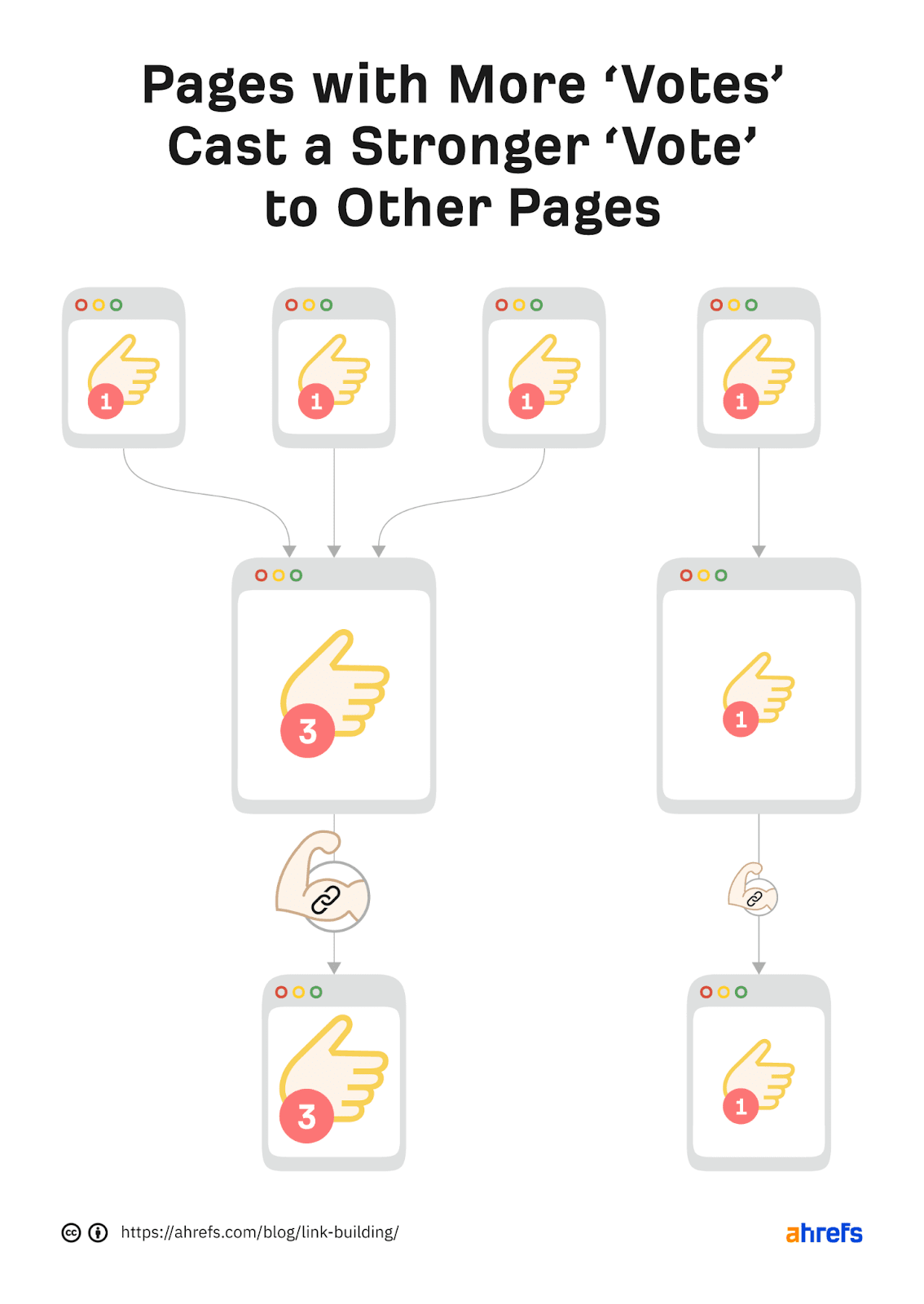
With Google becoming more user-centric, you simply can't manage to depend on the same old link building techniques you used in the past. To endure Google penalties and updates, advanced link building is the very best method to go. In his forecast, Sean Si of SEO Hacker predicts manual link structure with a more "human" method.
Can Automated SEO Building Boost ROI?
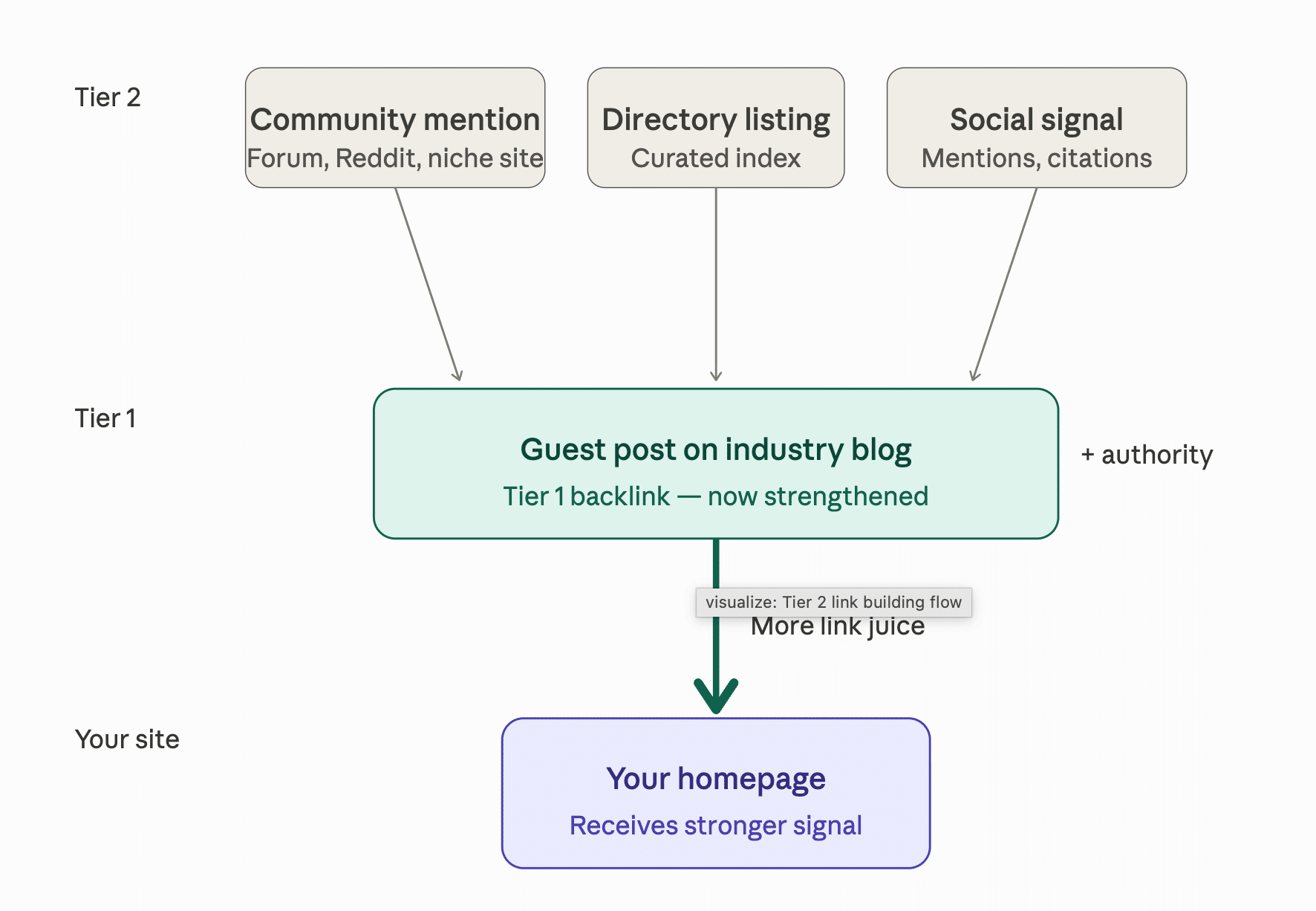
He went on to suggest sophisticated link structure methods that have been shown to work and will continue to drive outcomes: Connect reclamation or the process of discovering dead or broken links causing your site and after that notifying those who created the relate to the upgraded URL. These 2 techniques are merely scratching the surface area.
If you wish to upgrade your link building project, you can either modify the traditional methods pointed out above or attempt advanced link building techniques that your rivals might not understand about. We understand that not all backlinks are developed equal. Between white hat and black hat link building, the former surpasses the latter in regards to durability.
Thus, it has to do with time to turn our attention to little-known or underrated sophisticated link building methods that will help put your material on topand keep it there for several years to come. When Brian Dean of Backlinko initially used the Skyscraper Technique, everyone did the same. After all, the basic idea is a no-brainer: Discover excellent material on Google's very first page that's currently ranking for your target keyword.
Image source: But the process of encouraging site owners to link to your material is a lot more difficult than it appears. The High-rise building Strategy isn't a magic formula; sometimes links will come flooding, but often the method ends up being ineffective. If you hear absolutely nothing however crickets after sending out hundreds of outreach e-mails, you're not alone.

He quickly chose himself up and revised his strategy. Rather of waiting permanently for the links to come, he increased his odds of getting observed by depending on another tried-and-tested approach: guest blogging. Yup, they developed huge content as suggested by the Skyscraper Technique however made backlinks through good ol' visitor posting.
GSA SER project filesStructuring Custom SEO Content Configurations for Growth
Call it the High-rise building Technique on steroids. Here's how it works. Make a list of at least 20 prospective keywords you wish to discuss. Naturally, ranking for a keyword will be useless if there are no individuals browsing for it. Go for a monthly search volume of at least 1,000 or 2,000 searches.
You 'd be amazed that even sites less than a years of age can quickly rank for some high-volume yet low-competition keywords. For starters, you can utilize Google Keyword Coordinator (GKP) or SEOptimer's keyword research tool to analyze search volume or competition and find associated keywords. Take note, nevertheless, that GKP no longer provides particular information for the search volume.