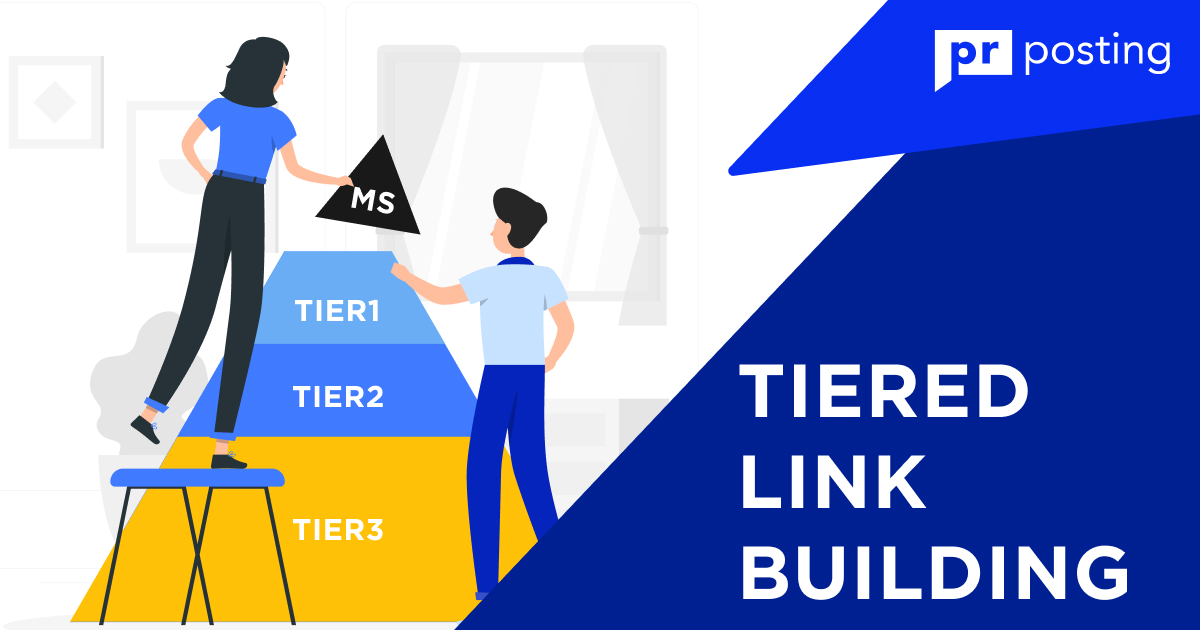
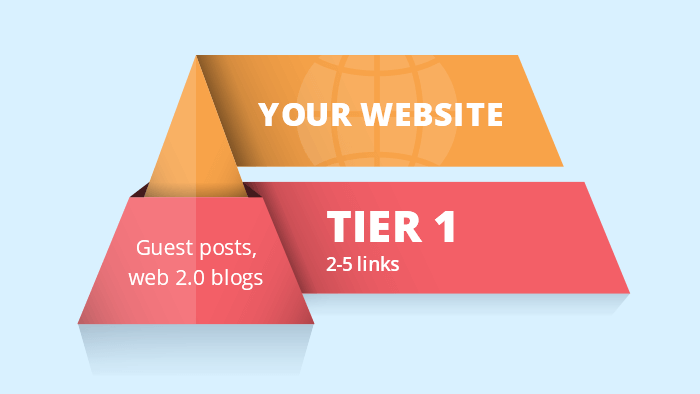
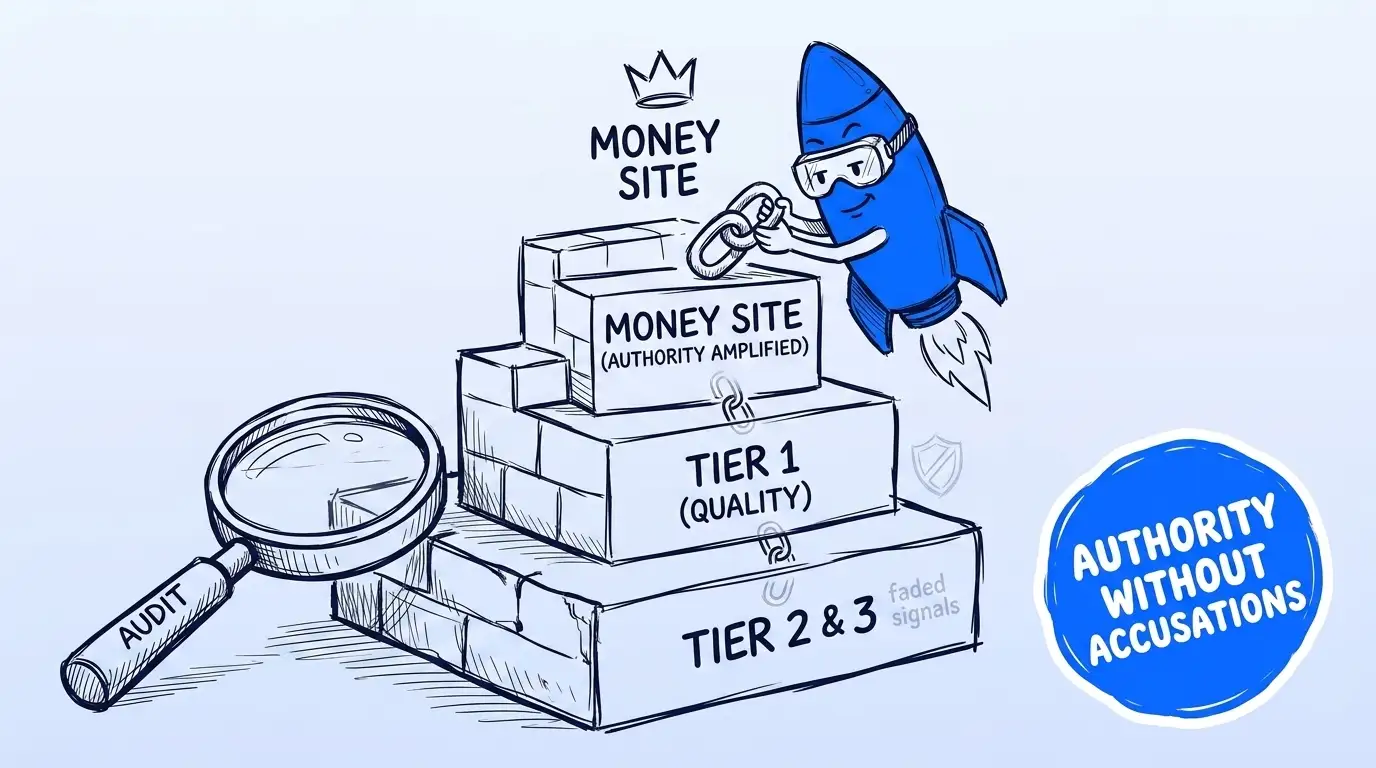
Five Keys for Managing Tiered SEO Projects

AI agents for SEO are starting to do more than response one-off triggers. I ranked these tools by the work they can actually bring, not by the label on the homepage.
This list reveals where each representative fits: material production, technical fixes, regional SEO, AI-search monitoring, or custom automation. Here's the line I used to separate a genuine AI SEO agent from a routine AI SEO feature. An AI SEO agent is software that prepares, chooses, and acts throughout a multi-step SEO workflow using reasoning, tool gain access to, and memory.
Tool gain access to links the system to data sources and publishing platforms, enabling it to pull present search information, draft edits, and make approved modifications. Memory retains brand, website, and workflow context across sessions, so each next action starts from what the system currently knows. A regular AI SEO tool normally offers you a score, draft, or suggestion.
I used five filters that separate agentic SEO software from routine AI functions. I weighed hands-on testing initially, product research second, and review evidence as a check on repeating user patterns. Which phases the agent manages, from keyword research study and content development to updates, monitoring, recovery, and AI search exposure.
Value of Strategic Data Configurations
Whether the representative produces work you can utilize. Whether groups can choose the approval depth, from draft review to specific approval, bulk approval, rollback guidelines, or complete manual publishing.
These 9 agents automate at least one full phase of SEO work. I ranked them by how much work they handle, then weighed output quality, control over evaluations, and who each tool fits. RankUp gives SaaS founders and lean GTM teams a dedicated SEO and GEO content group to manage preparation, composing, and continuous updates.
You supply the expertise and authorize the work. Magnus, the technique agentCedric, the writer agentLyra, the content manager agentThe representatives manage the work most SaaS teams normally split throughout keyword tools, docs, AI writers, audit spreadsheets, and reporting control panels.
Here's how the agents handle that cycle: Magnus researches rivals and groups associated keywords into a topical map. He checks for duplicate or overlapping topics, then puts the topics in top priority order so you understand what to cover initially. Cedric looks into current search engine result, checks your item understanding, and asks concentrated questions where expertise is missing.
Your group authorizes strategy, responses product-specific concerns, and checks claims before anything goes live. Lyra evaluates page efficiency monthly, audits underperforming or out-of-date material, and organizes refreshes and internal-linking modifications. She routes composing work to Cedric and reports performance so the next round of content work follows what the site requires.
How to Configure Advanced Tiered Link Campaigns
It stores your positioning, consumer language, sales objections, design guidelines, rival context, previous responses, examples, proof points, and authorized claims. Instead of rebooting from scratch on every page, the representatives reuse the context your group has actually already taught the system. Magnus handles the work that needs to take place before anybody starts drafting.
GSA SER project filesA draft can only follow the instructions it gets. Much better rankings start with selecting the subjects and angles your purchasers are currently searching for. Cedric is the writing agent inside RankUp's production workflow.
The workflow runs like this: RankUp pulls present Google results, checks how rival pages are structured, and reads your Knowledge Base for product context, placing, evidence points, and approved claims. Cedric works from a summary shaped around rival protection, the reader's next concern, your organization angle, and the short article type.

If an item claim, example, or positioning choice is missing out on, Cedric asks a targeted question instead of thinking. Cedric writes area by section using your creative short, style guide, Understanding Base, and referral material. The draft gets examined versus composing guidelines, source control, structure, and brand fit before it reaches your group.
Request for a rewrite, press back on an area, tighten up claims, include approved internal links, or improve the tone up until the post matches your requirements. Cedric likewise deals with composing that begins elsewhere in RankUp. When Lyra discovers pages that need updates, he turns her guidelines into edits you can review.